Bad Companion Plants That Will Ruin Your Garden
Bad Companion Plants That Will Ruin Your Garden
Companion planting is a gardening practice that involves planting certain plants together to benefit each other. Some plants can attract beneficial insects, repel pests, or improve the soil quality for other plants. However, there are also some plants that should not be planted together, as they can have negative effects on each other's growth.
In this blog post, we will discuss some of the bad companion plants that you should avoid planting in your garden. We will also provide some tips on how to choose the right companion plants for your crops.
What Are Bad Companion Plants?
Bad companion plants are plants that can have a negative impact on each other's growth. This can be due to a number of factors, such as competition for resources, the release of harmful chemicals, or the attraction of pests.
Some common examples of bad companion plants include:
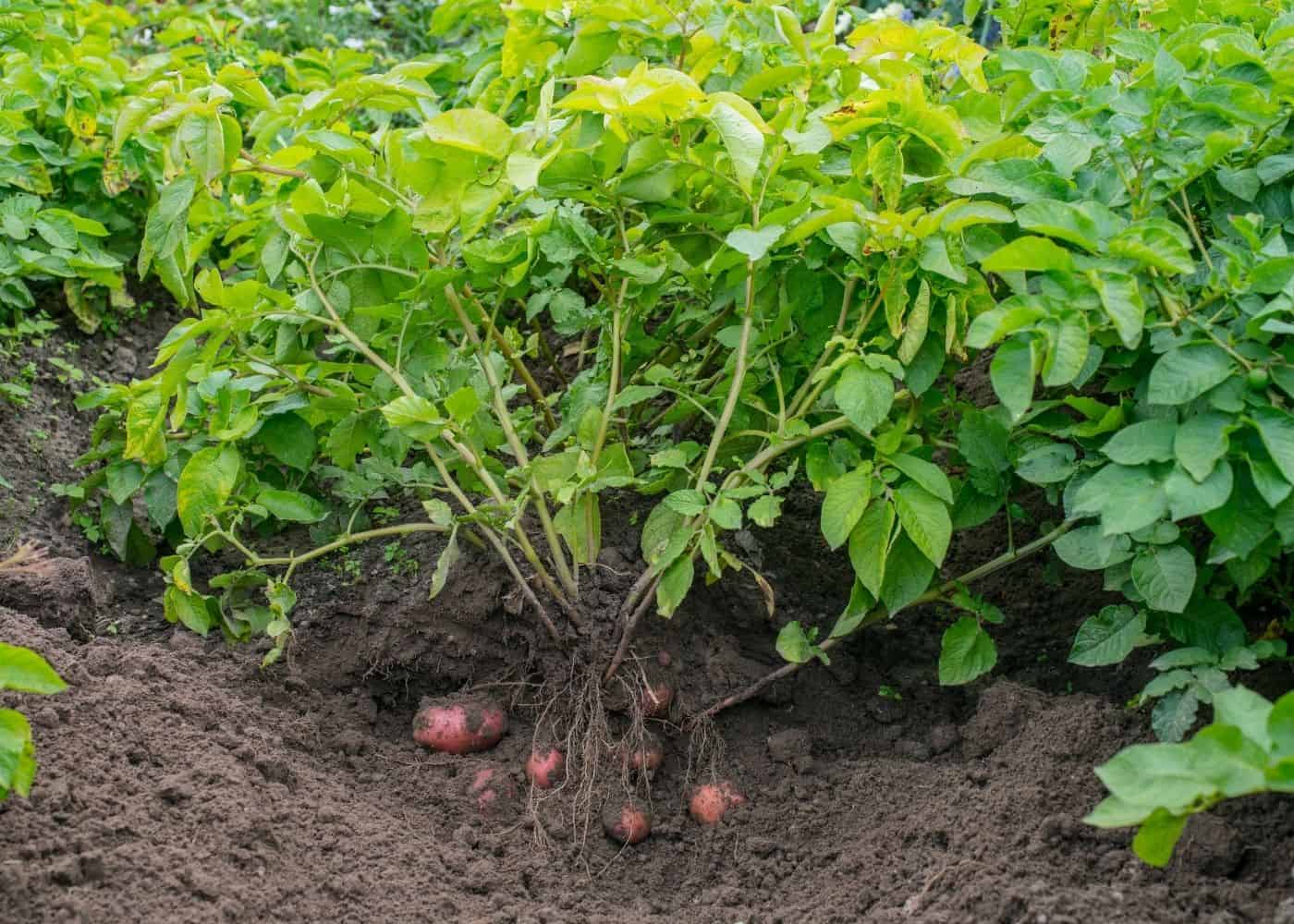
- Tomatoes and potatoes: These two plants are both susceptible to the same pests and diseases, so planting them together can increase the risk of infection.
- Onions and peas: Onions release a chemical that can inhibit the growth of peas.
- Cabbage and strawberries: Cabbage attracts the same pests as strawberries, so planting them together can increase the risk of pest infestation.
- Carrots and dill: Dill releases a chemical that can stunt the growth of carrots.
- Cucumbers and basil: Basil can attract pests that are harmful to cucumbers.
- Fennel and lettuce: Fennel releases a chemical that can inhibit the growth of lettuce.
How to Avoid Bad Companion Plants
There are a few things you can do to avoid planting bad companion plants in your garden. First, do some research on the plants you want to grow and find out which ones are compatible with each other. You can find this information in gardening books, websites, or by talking to experienced gardeners.
Second, when you are planning your garden layout, take into account the needs of each plant. Some plants need full sun, while others prefer partial shade. Some plants need well-drained soil, while others are more tolerant of wet conditions. By matching the needs of each plant with the right location, you can help them to thrive.
Finally, be aware of the signs of plant stress. If you notice that a plant is not growing well, or if it is being attacked by pests or diseases, it may be because it is not compatible with one of its neighbors. If you are unsure of the cause of the problem, it is always best to consult with a gardening expert.
Tips for Choosing Companion Plants
When choosing companion plants, there are a few things to keep in mind. First, consider the plants' needs in terms of sunlight, water, and soil type. Make sure that you are matching plants with similar requirements.
Second, think about the plants' growth habits. Some plants are tall and need plenty of space, while others are more compact and can be planted closer together.
Finally, consider the plants' benefits to each other. Some plants attract beneficial insects, while others repel pests. Some plants improve the soil quality, while others provide shade or wind protection.
By taking all of these factors into account, you can choose the right companion plants for your garden and help them to thrive.
When planning your vegetable garden, it's important to consider which plants should be planted together and which ones should be avoided. Some plants, known as "bad companion plants," can actually harm each other's growth or attract pests.
For example, tomatoes and potatoes should not be planted together, as they are both susceptible to the same diseases. Beans and onions should also be avoided, as they can inhibit each other's growth. And fennel and lettuce should never be planted in the same area, as fennel's strong odor can stunt lettuce's growth.
If you're not sure which plants are good companion plants and which ones are bad, there are plenty of resources available to help you. One great resource is Gardenia Inspiration. This website provides a comprehensive list of companion plants, as well as information on the benefits of companion planting.
FAQ of bad companion plants
- What are bad companion plants?
Bad companion plants are plants that should not be planted near each other because they can compete for resources, attract pests or diseases, or otherwise inhibit each other's growth. Some examples of bad companion plants include: * Tomatoes and potatoes: These two plants share the same pests and diseases, so planting them together can increase the risk of infection. * Beans and peas: These plants fix nitrogen in the soil, which can make it difficult for other plants to absorb nitrogen. * Cabbage and broccoli: These plants are susceptible to the same pests, so planting them together can make it easier for pests to spread. * Corn and tomatoes: Corn can cast a shadow on tomatoes, which can stunt their growth. * Strawberries and mint: Mint is a very aggressive plant that can quickly take over a garden, so it's best to avoid planting it near strawberries.
- How do I know if two plants are bad companion plants?
There are a few ways to find out if two plants are bad companion plants. One way is to consult a companion planting chart. These charts list different plants and their compatibility with each other. Another way to find out if two plants are bad companion plants is to do some research online or ask a gardening expert.
- What are the consequences of planting bad companion plants together?
If you plant bad companion plants together, you may experience a number of negative consequences, including: * Reduced plant growth * Increased susceptibility to pests and diseases * Decreased yields * Increased difficulty with harvesting
- How can I avoid planting bad companion plants together?
The best way to avoid planting bad companion plants together is to do your research before you plant. Consult a companion planting chart or ask a gardening expert for advice. You can also find a lot of information online about companion planting.
- What are some tips for planting good companion plants together?
There are a few things you can do to increase your chances of success when planting good companion plants together. First, choose plants that have similar growing requirements. Second, plant them in a way that takes advantage of their strengths. For example, if you plant a tall plant that provides shade next to a short plant that prefers full sun, both plants will benefit. Finally, be patient and observe your plants closely. If you notice any problems, take steps to correct them immediately.
Image of bad companion plants
- Tomatoes and potatoes: These two plants are members of the nightshade family and can stunt each other's growth.
- Peas and beans: These plants compete for nutrients and water, so it's best to plant them in separate areas of your garden.
- Cucumbers and melons: These plants attract the same pests, so planting them together can make it more difficult to control pests.
- Carrots and dill: Dill can inhibit the growth of carrots, so it's best to plant them in separate areas of your garden.

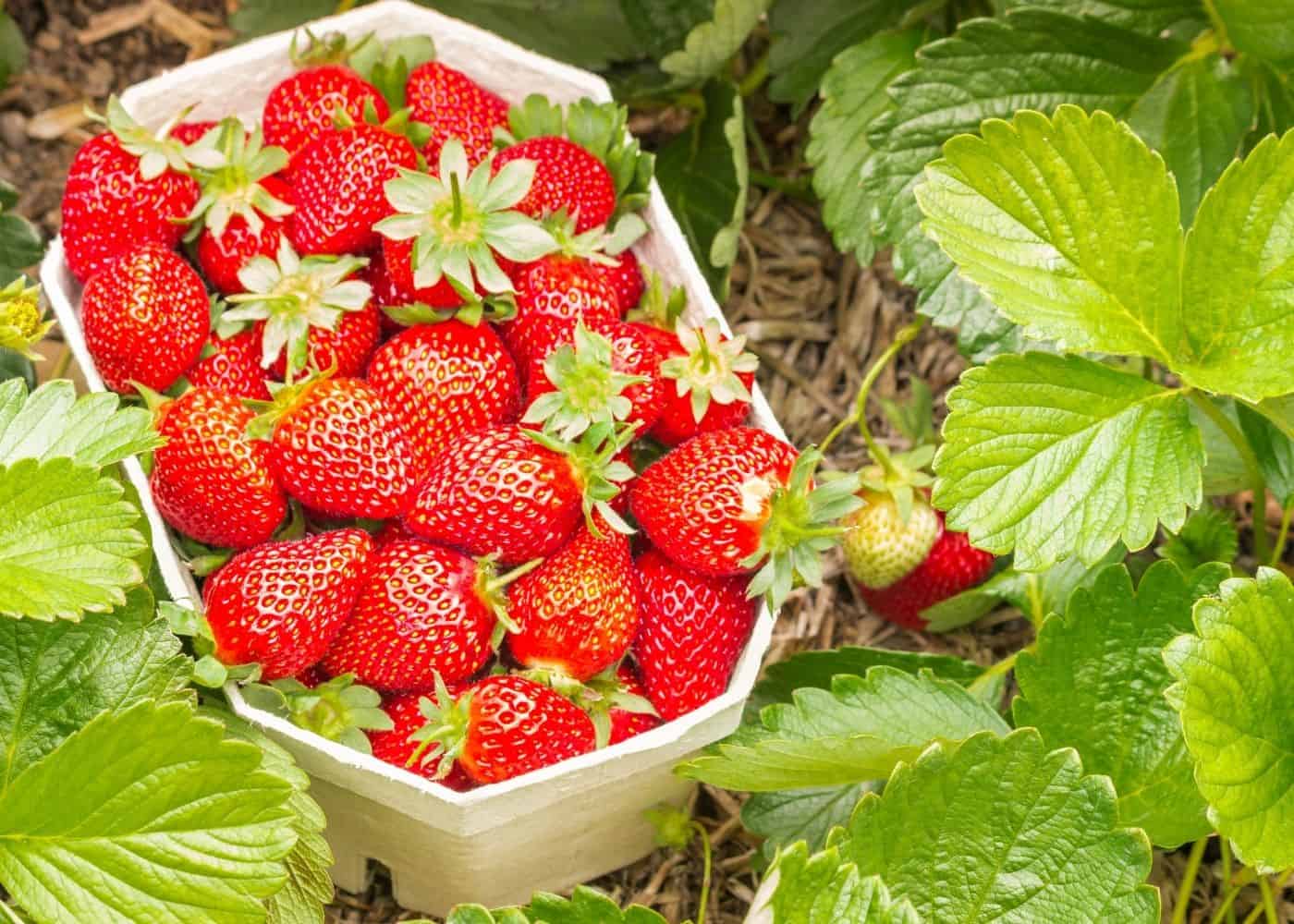
- Lettuce and strawberries: Lettuce can attract slugs and snails, which can also damage strawberries. It's best to plant these two vegetables in separate areas of your garden.

Post a Comment for " Bad Companion Plants That Will Ruin Your Garden"